MPlus Beauty Hub

Cosmetic Insights &
Industry Trends.

Discover expert articles on makeup formulation, OEM innovations, and global beauty events.

Formulation Science

Color Cosmetics
Excellence.

Stay informed with cutting-edge developments from our Milan R&D laboratories.

Manufacturing Expertise

Pioneering
Beauty Solutions.

Exploring next-generation applicators, sustainability, and private label growth strategies.

0%

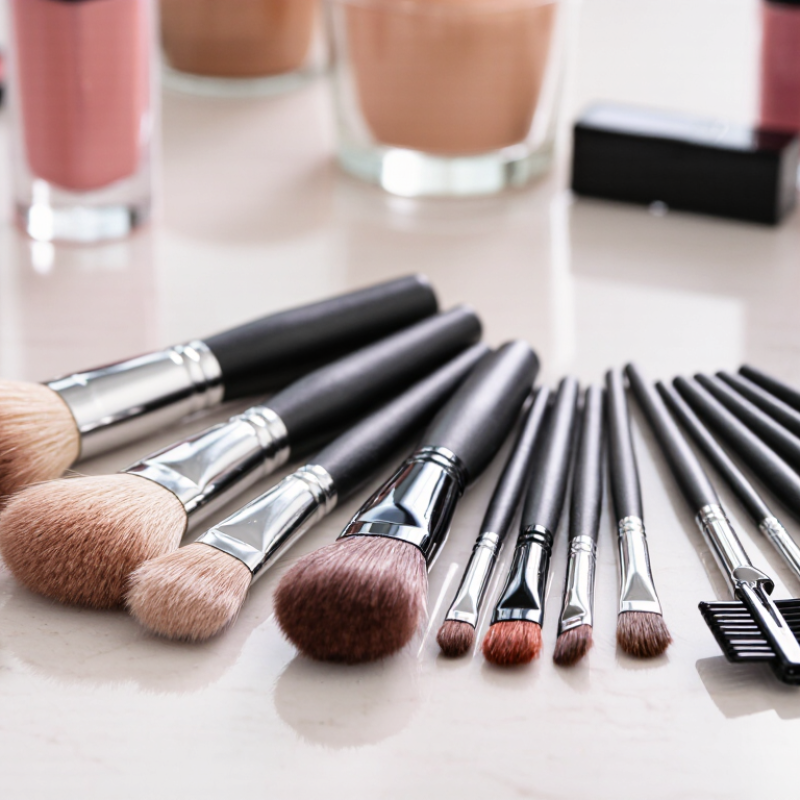
Custom Makeup Brushes are no longer limited to luxury beauty counters. Independent brands, salons, and professional artists now design brushes for specific textures, techniques, and customer preferences. A tapered synthetic brush may place cream concealer beneath the eyes. A dense, rounded brush may blend foundation across visible pores without leaving heavy streaks.

Professional makeup artist Wayne Goss has often expressed the practical value of tools: “The right brush can make all the difference.” This principle guides the sourcing process. A buyer must examine bristle softness, shape retention, ferrule strength, handle balance, and production consistency. Beautiful packaging cannot rescue a brush that sheds after three washes.

Small details matter.

Sourcing Custom Makeup Brushes also requires direct communication with manufacturers. Ask for material specifications, sample approval, minimum order quantities, private-label options, and quality-control procedures. Request several prototypes, not just one. Test them on dry powder, liquid foundation, and cream blush. Check the brush after repeated cleaning. Some handles feel elegant in photographs but become slippery during real application.

The process is not perfectly predictable. Color matching may vary between batches. Delivery schedules may shift. Even a trusted supplier can miss a small detail. That is why documented inspections, clear tolerances, and honest supplier discussions are essential. Buyers should also confirm safe materials, responsible manufacturing practices, and labeling requirements for their target markets.

This guide explains how Custom Makeup Brushes are developed, evaluated, and sourced. It focuses on practical decisions rather than promises. A reliable brush begins with a clear use case, careful testing, and the willingness to question attractive but weak options.

What Are Custom Makeup Brushes and How to Source Them?

What Custom Makeup Brushes Are and How They Differ from Standard Brushes

Custom makeup brushes are tools designed around specific performance goals, rather than general market preferences. Their shape, density, handle length, ferrule size, and fiber type can all be adjusted. A custom brush may feature a tapered head for controlled blending or a compact profile for precise concealer application. Standard brushes usually follow fixed specifications and are produced for broad, everyday use.

That difference matters. In product development, I have found that small changes can affect pickup, distribution, comfort, and cleaning time. A softer fiber may create a diffused finish, while firmer fibers provide stronger placement. Handle balance also matters during repeated application. Custom designs can support a particular technique, user group, or packaging requirement. Standard designs remain practical when consistency, availability, and lower development costs are the priority.

Customization is not automatically better. It can introduce higher minimum quantities, longer sampling periods, and more quality checks. A useful sourcing process begins with a clear product brief. Define the application, target feel, dimensions, materials, and acceptable variations. Request physical samples, not only digital drawings. Test shedding, odor, fiber recovery, wash durability, and performance with real formulas. Keep written inspection standards. One lesson worth remembering is simple: an attractive prototype may still feel uncomfortable after ten minutes of use. Small flaws become obvious in daily routines.

Key Materials, Shapes, and Features of Custom Makeup Brushes

What Are Custom Makeup Brushes and How to Source Them?

Custom makeup brushes are designed around a product’s application, user comfort, and visual identity. In professional sampling, material selection usually affects performance more than decoration. Synthetic fibers, such as nylon or PBT, offer consistent shape and easier cleaning. They also suit liquid and cream formulas well. Natural hair can create a softer powder application, but its sourcing requires careful ethical review and clear documentation.

The ferrule connects the bristles to the handle, so its construction deserves close attention. Aluminum keeps the brush light, while thicker metal can improve durability. Handles may use wood, bamboo, recycled plastic, or other engineered materials. Each option changes balance, grip, moisture resistance, and production cost. A round tip blends softly. A flat tip places color precisely. Angled shapes can follow the cheekbone or brow line.

Shape alone is not enough. Check fiber density, taper, spring, shedding, odor, and washing performance through repeated samples. Ask suppliers for material specifications and batch quality controls. I once focused too heavily on appearance and underestimated handle balance. The brush looked excellent but felt tiring after several minutes. That mistake changed my testing process. Now, I assess dry and wet use, inspect every edge, and compare samples after cleaning. Small inconsistencies matter. They become obvious in larger orders.

How to Define Your Custom Brush Requirements

Custom makeup brushes begin with a clear use case, not a decorative handle.

Define whether the brush is for powder, cream, liquid, or detailed application. Each formula needs a different fiber response and density.

Measure the brush head carefully. Record its width, length, taper, softness, and spring. A rounded head can diffuse blush, while a flatter edge gives sharper placement.

Specify the handle length and grip diameter too. Small differences affect control, especially during long makeup sessions. Natural or synthetic fibers also change performance, cleaning needs, and product absorption. Synthetic fibers are often easier to standardize, but they may feel different across batches.

Ask the supplier for physical samples before approving production. Test shedding, odor, dye stability, ferrule strength, and repeated washing.

I once underestimated handle weight, and the brush felt unbalanced despite looking attractive. That detail matters.

Request exact material descriptions, tolerance ranges, packaging details, and production lead times in writing. Confirm minimum order quantities and sample fees early.

Independent quality checks can compare the approved sample with finished units. Do not rely only on photographs.

A useful specification sheet should include drawings, measurements, color references, fiber length, assembly method, and acceptable defects. Leave room for revision; the first sample is rarely perfect.

Where to Find and Evaluate Reliable Brush Suppliers

Custom makeup brushes are tools designed around a specific shape, handle, fiber, or application method. Sourcing them requires more than comparing prices. I once approved a sample because the bristles felt soft. After repeated washing, the ferrule loosened. That mistake changed my evaluation process.

Reliable suppliers should provide clear material details, production photos, sample options, and consistent communication. Ask whether fibers are synthetic or natural, and request information about adhesives, coatings, and packaging. A professional supplier should explain quality checks without avoiding difficult questions. Check brush density, shedding, odor, handle balance, and ferrule strength. Test several samples, not just one. Small differences can reveal weak process control. Review independent references when available, but treat polished testimonials carefully. They are useful, not conclusive. Written specifications and inspection records offer stronger evidence.

Tips: Create a simple supplier scorecard. Include sample quality, response time, minimum order quantity, lead time, and defect handling. Wash each sample repeatedly and photograph the results. Test the brush on different skin textures and with both powder and cream products. Ask for a replacement policy before placing a large order. Do not rely on attractive packaging. A supplier may still need improvement, and I have learned that honest discussion often exposes problems earlier than perfect-looking samples.

How to Manage Sampling, Production, and Quality Inspection

Custom makeup brushes are built around a defined use, shape, fiber, handle, and decoration. The sourcing challenge begins with a measurable brief. State the brush diameter, fiber length, ferrule thickness, handle coating, logo position, and packing method. A vague request for “soft and luxurious” creates expensive revisions.

According to Fortune Business Insights’ Makeup Tools Market report, the global makeup tools market was valued at about USD 2.4 billion in 2023. That growth increases pressure on suppliers, but speed should not replace verification. Order several samples from the shortlisted factory. Test powder pickup, liquid streaking, shedding, odor, and handle balance. Our first sample looked elegant, yet its ferrule loosened after repeated washing. It passed a visual check. It failed practical use.

During production, approve a sealed golden sample before bulk manufacturing. Inspect fiber density, color consistency, glue exposure, surface scratches, and print alignment. Use an agreed acceptance limit, such as ISO 2859-1 sampling principles, for lot inspection. Check cartons after vibration and drop testing. A 2024 market analysis by Grand View Research places the broader global cosmetics market above USD 400 billion, but report categories differ, so forecasts should be treated carefully. Data is useful, not absolute.

Keep retained samples from each batch, with photos and inspection records. Ask for material declarations and production dates. Randomly test brushes from the carton’s center, top, and bottom. Do not inspect only the easiest units. A checklist can still miss a smell that appears after storage. That weakness deserves another test.

What Are Custom Makeup Brushes and How to Source Them?

Typical Timeline for Sampling, Production, and Quality Inspection

A practical sourcing plan commonly allows about 14 calendar days for sample development, 30 days for bulk production, and 3 days for final quality inspection. Actual timing may vary according to brush type, materials, order quantity, packaging, and approval cycles.

FAQS

How should I define a custom makeup brush before contacting suppliers?

Start with the intended product and application. Specify powder, cream, liquid, blending, or detailed placement. Different formulas need different fiber density and flexibility.

Which brush measurements should appear in the specification sheet?

Record head width, head length, taper, softness, spring, handle length, and grip diameter. Include drawings, measurements, fiber length, color references, and acceptable defects.

How do brush shapes affect makeup application?

A rounded head spreads color softly. A flat edge creates sharper placement. A tapered tip supports detailed work around small areas.

Should I choose natural or synthetic fibers?

Synthetic fibers are often easier to standardize and clean. Natural fibers may feel different and absorb products differently. Test both when performance remains uncertain.

Why should physical samples be tested before production?

Photos cannot show shedding, odor, balance, dye stability, or ferrule strength. Request physical samples and wash them repeatedly. Test more than one.

What problems should repeated washing reveal?

Check for loose ferrules, shedding, fading, unpleasant odor, and damaged handles. I once missed ferrule weakness. The brush looked fine at first.

How can I evaluate a potential supplier fairly?

Use a simple scorecard. Rate sample quality, communication, lead time, order quantity, inspection records, and defect handling. Attractive packaging proves very little.

What details should be confirmed in writing?

Confirm exact materials, tolerance ranges, packaging, sample fees, minimum order quantities, lead times, and replacement terms. Written details reduce avoidable confusion.

How can I check whether finished brushes match the approved sample?

Use independent quality checks when possible. Compare fiber length, density, handle weight, ferrule attachment, color, and overall balance. Small differences matter.

Is the first sample usually ready for mass production?

Rarely. Leave room for revisions after testing. A sample may feel soft but perform poorly after washing. Honest feedback can improve the final design.

Conclusion

Custom Makeup Brushes are specially developed tools designed to meet a company’s or product line’s specific requirements, rather than following the standard sizes, shapes, and materials of ready-made brushes. They can be customized through handle design, ferrule finishes, bristle type, density, length, shape, color, and packaging. These choices affect application performance, comfort, durability, appearance, and suitability for different makeup formulas and techniques.

To source reliable Custom Makeup Brushes, buyers should first define their target users, brush functions, preferred materials, dimensions, design details, order quantities, budget, and quality standards. Potential suppliers should be evaluated through their production capabilities, communication, material transparency, customization experience, and quality-control procedures. Before mass production, request samples to assess softness, shedding, shape retention, balance, assembly, and overall finish. Clear specifications, approved samples, production updates, and inspections at key stages can help ensure consistent quality and reduce avoidable production issues.

Olivia

Olivia

Olivia is a professional marketing specialist with a strong understanding of market trends, customer needs, and effective business communication. As a key contributor to the company’s content and marketing team, she regularly updates the corporate website with informative, practical, and......