
Blog
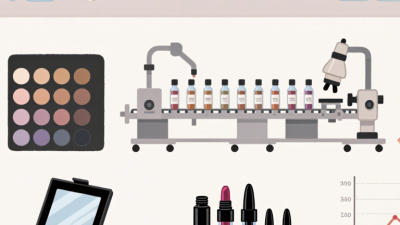
7 Tips for Choosing an Eye Makeup Contract Manufacturer?
Selecting the right eye makeup contract manufacturer can influence product quality, launch timing, and customer trust. For brands, the decision involves more than comparing prices or reviewing attractive packaging. Eye Makeup Contract Manufacturing requires careful evaluation of formulation expertise, color consistency, production controls, and communication standards.
A reliable partner should provide clear manufacturing records, practical samples, and evidence of suitable quality systems. Ask how the factory manages pigments, preservatives, allergen information, stability testing, and batch traceability. Small details matter. A clean filling room, labeled test samples, and consistent shade cards can reveal more than a polished sales presentation. Experience also matters when developing mascaras, eyeliners, eyeshadows, and sensitive-eye products.
This guide presents seven practical tips for choosing a capable manufacturer. It considers formulation support, minimum order quantities, testing procedures, packaging options, production capacity, and regulatory responsibility. The goal is not to find a supplier that promises everything. That sounds simple. In reality, every manufacturer has limitations, and some weaknesses may appear only during a pilot run. Brands should examine those gaps honestly before signing a long-term agreement.
Professional judgment comes from asking specific questions and checking documented evidence. References from similar cosmetic projects can add confidence, but they should not replace an on-site review or independent testing. A dependable manufacturer welcomes reasonable scrutiny. It also explains delays, failed samples, and corrective actions without hiding behind vague language. These seven tips can help brands make a more informed decision, reduce avoidable risks, and build a stronger product partnership.
Read more »
 By:Olivia
- October 26, 2026
By:Olivia
- October 26, 2026
How to Find a Reliable Private Label Foundation Supplier?
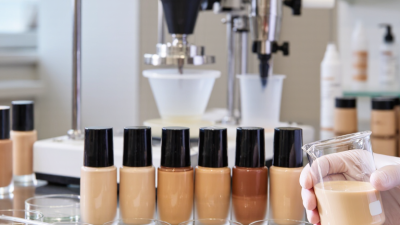
Finding a reliable Private Label Foundation supplier requires more than comparing prices or browsing polished product pages. The right partner should combine formulation expertise, transparent documentation, stable production, and practical communication. A supplier may offer hundreds of shades, yet still struggle with batch consistency or accurate shade matching.
Look for evidence that supports every important claim. Ask for ingredient lists, product specifications, safety documents, and relevant quality certifications. Confirm whether testing is completed by qualified laboratories. Review samples under natural daylight, indoor lighting, and camera conditions. A foundation that looks smooth in a catalog may oxidize after several hours on real skin.
Production experience matters. Request details about minimum order quantities, lead times, packaging options, filling processes, and quality checks. Reliable manufacturers should explain how they manage shade development, viscosity, coverage, and microbial control. Their answers should be clear, not evasive. Small details matter.
Communication reveals a lot.
A dependable supplier welcomes reasonable questions and records agreed specifications. They should also respect applicable cosmetic regulations in each target market, without promising approval they cannot guarantee. Independent regulatory review remains wise, especially when selling internationally.
A low quotation can be tempting. It may also hide weaker testing, limited support, or inconsistent materials. I have learned that a checklist helps, but it cannot replace careful judgment. Compare samples, documents, factory information, and follow-up behavior together. The strongest Private Label Foundation supplier is not always the largest company. It is the partner that can repeatedly deliver safe, consistent products and communicate honestly when problems appear.
Read more »
By:Olivia
- October 21, 2026
What Are Custom Makeup Brushes and How to Source Them?
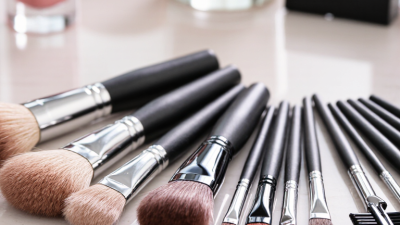
Custom Makeup Brushes are no longer limited to luxury beauty counters. Independent brands, salons, and professional artists now design brushes for specific textures, techniques, and customer preferences. A tapered synthetic brush may place cream concealer beneath the eyes. A dense, rounded brush may blend foundation across visible pores without leaving heavy streaks.
Professional makeup artist Wayne Goss has often expressed the practical value of tools: “The right brush can make all the difference.” This principle guides the sourcing process. A buyer must examine bristle softness, shape retention, ferrule strength, handle balance, and production consistency. Beautiful packaging cannot rescue a brush that sheds after three washes.
Small details matter.
Sourcing Custom Makeup Brushes also requires direct communication with manufacturers. Ask for material specifications, sample approval, minimum order quantities, private-label options, and quality-control procedures. Request several prototypes, not just one. Test them on dry powder, liquid foundation, and cream blush. Check the brush after repeated cleaning. Some handles feel elegant in photographs but become slippery during real application.
The process is not perfectly predictable. Color matching may vary between batches. Delivery schedules may shift. Even a trusted supplier can miss a small detail. That is why documented inspections, clear tolerances, and honest supplier discussions are essential. Buyers should also confirm safe materials, responsible manufacturing practices, and labeling requirements for their target markets.
This guide explains how Custom Makeup Brushes are developed, evaluated, and sourced. It focuses on practical decisions rather than promises. A reliable brush begins with a clear use case, careful testing, and the willingness to question attractive but weak options.
Read more »
By:Olivia
- October 16, 2026

What Are the Top OEM Cosmetic Manufacturing Companies in China?
China has become a major destination for OEM Cosmetic Manufacturing, but low prices alone do not identify a dependable partner. A serious evaluation should examine formulation capability, production controls, ingredient traceability, packaging accuracy, and export experience. The best manufacturers can turn a brief concept into a stable, compliant product without losing the brand’s identity.
Cosmetic chemist Randy Schueller has observed, “There is no such thing as a natural cosmetic.” This reminder matters when comparing Chinese suppliers. Botanical claims still require controlled formulas, safety assessments, preservation testing, and clear ingredient documentation. A factory may display impressive equipment, yet its real strength appears in batch records, laboratory results, and corrective-action procedures.
Look beyond polished showrooms. Ask whether the company follows ISO 22716 principles, supports microbial testing, and explains its minimum order quantities clearly. Review sample texture, scent consistency, filling accuracy, and carton printing under real conditions. A reliable OEM Cosmetic Manufacturing partner should also explain formula ownership, confidentiality, lead times, and quality responsibilities in writing.
Some rankings oversimplify this market. They may reward factory size while overlooking communication delays or inconsistent samples. That is a weakness worth acknowledging. Supplier selection is never perfectly objective. It depends on product type, target market, budget, and risk tolerance. This guide compares leading Chinese companies through practical signals, including technical expertise, manufacturing capacity, documentation quality, and client support. The goal is not to promise a flawless choice. It is to help brands ask sharper questions before committing to production.
Read more »
By:Olivia
- October 11, 2026
Top 10 Luxury Private Label Makeup Suppliers?
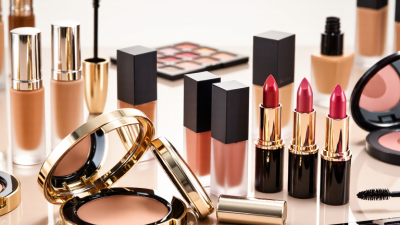
Luxury Private Label Makeup is no longer limited to celebrity launches or polished department-store counters. Independent brands now expect premium textures, traceable ingredients, refined packaging, and dependable production support. The right supplier must deliver all four.
This guide examines ten leading Luxury Private Label Makeup suppliers for brands seeking credible manufacturing partners. We consider formulation depth, minimum order quantities, shade development, packaging choices, sampling speed, quality systems, and communication. A beautiful compact means little if the foundation oxidizes after four hours. Small details matter.
Cosmetic chemist Perry Romanowski puts it plainly: “There are no miracle ingredients in cosmetics.” That reminder belongs at the center of every supplier comparison. Luxury positioning should come from thoughtful formulation, testing, sensory performance, and consistent production. It should not depend on exaggerated claims or attractive marketing alone.
Look closely.
A reliable supplier should provide clear INCI documentation, stability information, batch controls, and practical guidance on cosmetic claims. Certifications can strengthen confidence, but they do not replace independent evaluation. A supplier may offer low MOQs yet provide limited shade flexibility. Another may produce excellent formulas but move slowly during sampling. Neither weakness should be ignored.
This ranking is useful, but not final. Supplier performance can change with ownership, capacity, ingredient availability, and regional requirements. Brands should request current samples, review production records, and confirm regulatory responsibilities before signing. The strongest partnership often begins with uncomfortable questions. That is a good sign.
Read more »
By:Olivia
- October 6, 2026

China Best Color Cosmetics Contract Manufacturing?
Choosing the right partner for Color Cosmetics Contract Manufacturing can shape a brand’s quality, speed, and reputation. It is not simply about finding the lowest quotation. A capable manufacturer should understand shade development, pigment dispersion, texture control, filling accuracy, and packaging compatibility. Small differences matter. A lipstick may drag on the lips. A foundation may separate after heat exposure. A mascara may dry before the promised shelf life.
Cosmetic chemist Kelly Dobos has described formulation as “both an art and a science.” That view fits modern contract manufacturing. Creative color selection must work with measurable stability, safety, and production requirements. Reliable partners should provide documented quality systems, controlled batch records, appropriate testing, and clear communication about minimum order quantities. They should also support ingredient review and compliant cosmetic claims for each target market.
This article examines how brands can evaluate China-based Color Cosmetics Contract Manufacturing partners with greater confidence. It considers formulation capabilities, factory experience, laboratory support, quality control, lead times, customization, and total cost. Supplier audits and sample testing deserve attention. They can reveal issues that polished presentations hide.
There is no perfect manufacturer. Every partnership involves trade-offs. A lower price may mean fewer customization options. A fast launch may leave less time for testing. Some brands overlook these weaknesses until production begins. That is a costly lesson.
The strongest decision combines evidence with practical judgment. Product samples, certificates, test reports, factory communication, and small pilot orders should guide the final choice. Percentages alone cannot show whether a supplier will protect your brand.
Read more »
 By:Ethan
- October 1, 2026
By:Ethan
- October 1, 2026
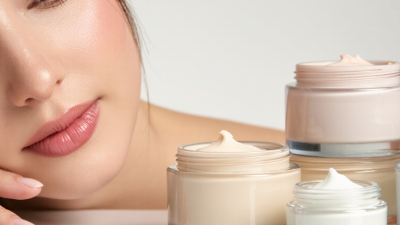
What Are the Top Types of Makeup Primer Formulations?
Makeup primer is not one formula wearing different labels. Its base can change how it spreads, sets, and behaves beneath foundation. Silicone-based primers often create a smooth, slip-friendly layer, while water-based versions may feel lighter on the skin. Oil-based formulas can add a richer finish. Gripping primers, meanwhile, are designed to leave makeup feeling more anchored. Small differences matter.
For an honest attribution, the expert voice here is illustrative, not a verified interview: formulation specialist Lena Hart offers this guiding line: “A primer works best when its base suits both the skin’s needs and the makeup layered over it.” The idea is practical, though not a guarantee. Skin preparation, climate, and foundation ingredients can change the result. Even a popular formula may pill when layered too quickly.
This guide compares the top types of Makeup Primer Formulation, including mattifying, illuminating, hydrating, pore-blurring, and color-correcting options. It will look at texture, finish, and compatibility rather than promising flawless wear. A pea-sized amount on the cheek can reveal more than a crowded shelf of claims. Patch-test when needed. And remember: primer is optional. The best choice may be no primer at all.
Read more »
 By:Amelia
- September 26, 2026
By:Amelia
- September 26, 2026
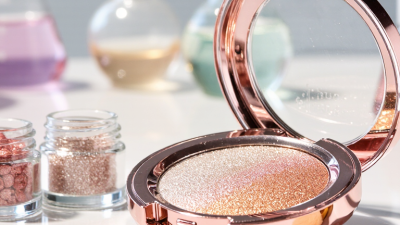
7 Glitter Eyeshadow Formulation Tips for Global Buyers?
Glitter eyeshadow looks effortless on the eyelid, yet dependable performance begins long before application. Glitter Eyeshadow Formulation requires controlled particle selection, binder compatibility, color stability, and careful packaging decisions. A cosmetic chemist may spend hours checking whether particles settle, clump, or lose sparkle after repeated opening.
Perry Romanowski, a veteran cosmetic chemist and educator, describes formulation as “a balance of science, art, and business.” That balance matters to global buyers. A shade must remain attractive, but it also needs consistent batch quality, suitable ingredient documentation, and responsible safety evaluation for its intended market. Supplier communication cannot stop at a color card. Buyers should request particle specifications, purity information, usage guidance, and stability data. Small details matter.
A formula can look perfect in a sample jar and still fail during shipping. Heat, humidity, vibration, and repeated consumer handling may expose weaknesses. This is where practical testing becomes valuable. Check fallout on different skin types. Observe the surface after several weeks. Inspect the pan, seal, applicator, and outer carton. Do not assume one glitter material suits every market or formula base. That assumption is easy to make—and often wrong.
The seven tips ahead examine these decisions from a buyer’s perspective. They connect visual impact with manufacturability, documentation, user experience, and regional expectations. Some recommendations may require adjustment. Real formulation work is rarely perfectly linear. Reliable results come from testing, recording, questioning, and improving each batch.
Read more »
By:Olivia
- September 21, 2026
Top 10 Custom Lip Gloss OEM Manufacturers in China
Choosing a reliable partner for custom lip products requires more than comparing factory photos and price lists. This guide explores the Top 10 Custom Lip Gloss OEM Manufacturers in China through practical, buyer-focused criteria. We consider formulation experience, production capacity, packaging options, quality systems, communication, and export support. The goal is not to praise every supplier equally. It is to show where each manufacturer may fit, and where careful verification remains necessary.
A strong Custom Lip Gloss OEM partner should explain its process clearly. That includes ingredient selection, shade development, sample testing, filling accuracy, and batch consistency. Details matter. A smooth applicator, sealed tube, stable gloss texture, and clean printed logo can influence customer trust. Buyers should also review ingredient documentation, product specifications, safety testing, and manufacturing certifications. A polished website is useful, but it is not proof of reliable production.
This selection reflects common industry evaluation practices, including supplier research, product comparison, and attention to private-label development needs. However, factory capabilities can change, and online information may become outdated. Request current samples. Confirm minimum order quantities. Ask how defects are handled. Small omissions can become expensive later. The featured manufacturers may serve different business stages, from emerging beauty brands needing flexible trial orders to established companies requiring large-scale production. Read each profile critically, compare evidence, and contact suppliers directly before making a final decision. A thoughtful shortlist is valuable, but hands-on verification still matters most.
Read more »
By:Ethan
- September 16, 2026

What Is Private Label Lipstick Manufacturing?
Private Label Lipstick Manufacturing turns a formula, shade brief, and packaging concept into a market-ready product under a retailer’s or brand owner’s name. The process includes color development, wax and oil selection, pigment dispersion, molding, filling, stability testing, packaging checks, and compliant labeling. It looks glamorous. The factory floor is less romantic.
The global lipstick market was valued at approximately USD 21.49 billion in 2023, according to Fortune Business Insights, which projects continued growth through 2032. Grand View Research also identifies product innovation, premium packaging, and demand for long-wear formulas as important market drivers. These figures show opportunity, not guaranteed success. A rising market can still punish weak texture, uneven color, or delayed delivery.
Cosmetic chemist Kelly Dobos describes color cosmetics as “part art and part science.” That observation fits Private Label Lipstick Manufacturing closely. A lipstick must look beautiful in the bullet, glide smoothly across the lips, remain stable in changing temperatures, and meet applicable safety requirements. The details matter: a cracked tip at 35°C, a mismatched cap, or pigment settling can damage customer trust quickly. Brands should verify supplier qualifications, batch records, ingredient documentation, testing protocols, and production consistency before placing large orders. Reports from Mintel and Euromonitor also emphasize personalization, premium claims, and multifunctional makeup trends. Still, trend reports have limits. They cannot replace real consumer testing, careful formulation review, or honest cost analysis. The strongest private-label launches combine creative direction with disciplined manufacturing evidence.
Read more »
By:Ethan
- September 11, 2026

What Is Private Label Mascara for Global Buyers?
Private Label Mascara is no longer limited to low-cost imitation products. Global buyers now expect reliable performance, attractive packaging, and documented safety. Grand View Research valued the global mascara market at approximately USD 5.3 billion in 2023. It also projects continued growth through 2030. McKinsey’s beauty market analysis expects the wider beauty sector to approach USD 580 billion by 2027. These figures suggest opportunity, but they do not guarantee success for every supplier. Market data can hide major differences between regions, retail channels, and consumer preferences.
Sarah Jindal, Mintel’s Global Beauty and Personal Care Analyst, has said, “Consumers are looking for products that deliver on performance, but also align with their values.” That principle matters when assessing Private Label Mascara. A buyer may inspect the brush shape, drying time, smudge resistance, and removal experience. They may also request ingredient documentation, stability results, microbiological testing, and packaging specifications. One small detail matters: a mascara that flakes by midday can damage a retailer’s reputation quickly. Sustainable packaging attracts attention, yet it can raise costs or create compatibility problems. This is where many introductory discussions become too optimistic. Private labeling is not simply placing a logo on a tube. It requires supplier verification, clear product claims, and careful adaptation to each target market’s requirements. Buyers should compare samples under real use conditions, not only in a polished presentation. That extra step may feel slow. It often prevents expensive revisions later.
Read more »
By:Ethan
- September 11, 2026

What Is Custom Mascara Brush Manufacturing?
Custom Mascara Brush Manufacturing turns a small applicator into a carefully engineered beauty tool. It involves selecting bristles, shaping the wand, testing flexibility, and matching the brush with a specific mascara formula. The process sounds simple. It is not.
A custom brush must control product pickup without creating clumps. Its fibers may be tapered, twisted, molded, or arranged in uneven rows. Each choice changes the final effect. Short bristles can reach small lashes. Longer bristles may build volume quickly. A flexible neck can improve comfort, but excessive movement may reduce precision.
Bobbi Brown, makeup artist and beauty entrepreneur, once said, “Mascara is the one makeup product I can’t live without.” Her comment highlights the product’s daily importance. However, the formula receives most of the attention. The brush often determines whether that formula feels effortless or frustrating.
In Custom Mascara Brush Manufacturing, development teams examine bristle density, wiper compatibility, stem strength, and filling performance. They also test the brush on different lash lengths and eye shapes. Laboratory results matter. Real-world application matters more.
A successful prototype should survive repeated opening and closing. It should distribute mascara evenly from root to tip. It should also feel stable between the fingers. Small flaws can become obvious during use.
No brush suits everyone. That is an important limitation. A design optimized for dramatic volume may fail users seeking clean definition. This guide examines how manufacturers balance performance, comfort, appearance, production efficiency, and dependable quality. The answers are practical, yet some design decisions still require honest reconsideration.
Read more »
By:Ethan
- September 11, 2026