Cosmetic Insights &
Industry Trends.
Discover expert articles on makeup formulation, OEM innovations, and global beauty events.
Color Cosmetics
Excellence.
Stay informed with cutting-edge developments from our Milan R&D laboratories.
Pioneering
Beauty Solutions.
Exploring next-generation applicators, sustainability, and private label growth strategies.
7 Best Italian Cosmetic Manufacturers for Global Buyers
Table of Contents
- Overview of Italy’s Cosmetics Manufacturing Industry
- How Global Buyers Can Evaluate Italian Cosmetic Manufacturers
- Seven Leading Italian Cosmetic Manufacturers and Their Specialties
- Comparing Product Range, Certifications, and Production Capabilities
- Key Steps for Sourcing Cosmetics from Italian Manufacturers
- FAQS
- Conclusion
- Related Posts
Choosing an Italian Cosmetic Manufacturer involves more than comparing elegant packaging or a familiar “Made in Italy” label. Global buyers also need to understand formulation capabilities, production scale, quality controls, and communication practices. A skincare brand seeking a lightweight face cream may need different equipment and technical support from a company ordering lipstick or shampoo. Details matter.
This guide introduces seven Italian cosmetic manufacturers for buyers exploring private-label, contract, or product-development partnerships. It considers practical factors such as product range, customization, packaging options, and experience serving international clients. Public information can offer a useful starting point, but it cannot replace a direct conversation with a manufacturer. Ask about sample development, minimum order quantities, production timelines, and the documents relevant to your product and destination market. Verify current details independently.
A polished catalogue does not always reveal a factory’s capacity or responsiveness. Nor does a long list of services guarantee a suitable fit. Buyers should compare each supplier against their own brief, budget, and launch schedule, then request clear answers before committing. This takes time. The strongest partnership is not necessarily with the largest or most visible company; it is the one whose technical capabilities and working style match your project. The comparisons ahead can help narrow the field, while leaving room for careful questions—and a second look when something feels unclear.
Overview of Italy’s Cosmetics Manufacturing Industry
Italy’s cosmetics manufacturing industry is built around formulation expertise, design sensitivity, and established production skills. Companies may support projects from early product development through filling and packaging. Capabilities vary, though. Some facilities focus on skincare, while others handle color cosmetics, fragrances, or personal care products.
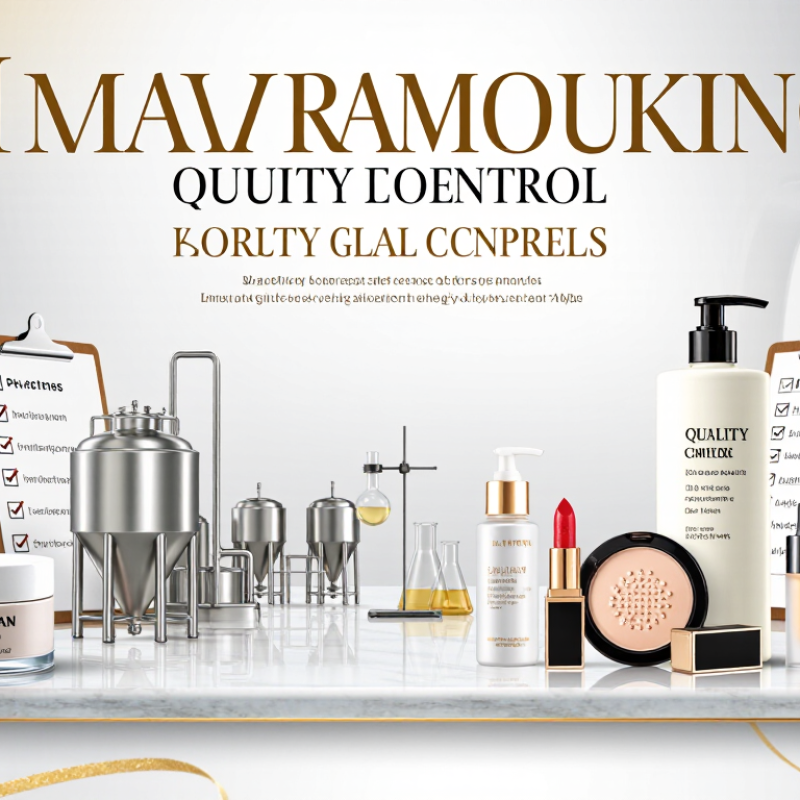
A typical production line may include stainless-steel mixing tanks, controlled filling equipment, and staff checking package seals under bright inspection lights. Details matter. Buyers should ask how a manufacturer manages ingredient specifications, batch records, stability testing, and packaging compatibility. These documents help assess whether a product can remain consistent during storage and transport. A polished presentation alone is not enough.
For international sourcing, evaluate the factory’s actual capacity, minimum order quantities, lead times, and communication process. Request relevant quality documents and clarify who handles testing and final release. Visits or independent audits can reveal how procedures work beyond the sales presentation. Italy offers technical depth, but no supplier is automatically the right fit. I would also avoid assuming that a small, elegant sample reflects large-scale production; that gap deserves careful discussion.
How Global Buyers Can Evaluate Italian Cosmetic Manufacturers
Choosing an Italian cosmetic manufacturer takes more than reviewing a polished catalogue. Ask who formulates the product, where production takes place, and which quality checks happen before release. Details matter. Request current certificates and confirm their scope, issuing body, and expiry date rather than relying on a logo in a presentation.
Review the development process using a real product brief. A capable partner should explain ingredient sourcing, stability testing, packaging compatibility, and how formula changes are documented. Ask for evidence. For example, request stability data under defined conditions and sample packaging that matches your intended container. Testing timelines vary, so agree on milestones before approving a launch schedule.
Production capacity and communication deserve equal attention. Discuss minimum order quantities, lead times, batch records, and how deviations are investigated. If possible, arrange a facility visit or a qualified third-party audit. Italian origin alone does not guarantee consistent quality; the manufacturer’s systems and staff do the work. I would also assess how clearly the team handles difficult questions. A confident answer is useful, but a precise answer with supporting records is better. Some details may change after a first production run, so leave room for review rather than treating the initial plan as fixed.
Seven Leading Italian Cosmetic Manufacturers and Their Specialties
Italian cosmetic manufacturing covers a wide range of production strengths. Buyers may encounter seven common specialties: skincare emulsions, color cosmetics, haircare, fragrance products, sun-care formulas, natural-origin formulations, and turnkey private-label development. These are useful starting points, not guarantees; individual factories often serve more than one category.
Skincare specialists may work with creams, serums, and lotions, where texture and stability matter. Color-cosmetics producers focus on pigments, shade consistency, and packaging fit. Haircare facilities commonly make shampoos, conditioners, and styling products. Fragrance manufacturers handle scent blending and filling, while sun-care specialists develop products with carefully tested performance. Natural-origin formulators can help select plant-derived ingredients, but “natural” needs a precise definition. Turnkey partners may coordinate formula work, filling, and finished-pack assembly.
Details matter. Ask for relevant production experience, sample batches, quality procedures, and realistic lead times. Review how the manufacturer checks texture, color, and packaging compatibility across batches. A factory’s specialty should match your product, not just its sales pitch. Small gaps can surface late; even a neat sample may not reveal every scale-up issue. Compare specifications carefully, and clarify who handles testing, documentation, and final quality checks before committing.
Comparing Product Range, Certifications, and Production Capabilities
Italian cosmetic manufacturers vary widely in what they can make and how they scale. Some focus on skincare, including creams, serums, and cleansers. Others offer color cosmetics, hair care, or a broader portfolio. For global buyers, a product catalogue is only a starting point. Ask whether the factory can handle your formula, packaging format, and expected order volume. A line suited to small glass bottles may not efficiently fill tubes or compact jars. Pilot batches help expose practical issues before a larger run. They also take time.
Certifications and quality records need careful comparison. Request current certificates, confirm the named production site, and check which activities fall within their scope. ISO 22716, for example, relates to cosmetic good manufacturing practices; a certificate alone does not prove every product or process meets your needs. Review batch documentation, raw-material controls, stability testing, and procedures for handling defects. Production capability matters just as much: ask about minimum order quantities, filling speeds, available packaging, and lead times. A polished factory tour can be reassuring, but it cannot replace records or a clear technical discussion. Some details may remain uncertain until a trial batch, so build that possibility into your schedule.
7 Best Italian Cosmetic Manufacturers for Global Buyers - Comparing Product Range, Certifications, and Production Capabilities
Capability-based comparison guide. The rows describe manufacturer types, not verified or ranked companies; confirm each supplier’s current certificates, facilities, and services directly. Under EU Regulation (EC) No 1223/2009, cosmetics placed on the EU market must meet applicable safety, responsible-person, and product-information requirements.
| Manufacturer profile | Typical product range | Production capabilities to assess | Relevant standards or evidence to request | Best fit for global buyers |
|---|---|---|---|---|
| 1. Skincare-focused contract manufacturer | Cleansers, moisturizers, serums, masks, and body care | Ask about formulation development, stability testing, filling formats, and batch-size flexibility. | Current ISO 22716 GMP certificate, if held; quality procedures; stability and microbiological test documentation. | Brands seeking a broad skincare line and support from formula development through filling. |
| 2. Color-cosmetics specialist | Foundations, powders, lip products, mascaras, and eye products | Check shade development, pigment handling, compatibility testing, and available packaging and filling lines. | GMP evidence and product safety documentation; request ingredient and colorant compliance support for target markets. | Buyers needing coordinated shades, repeatable color matching, and makeup-specific production experience. |
| 3. Hair-care manufacturer | Shampoos, conditioners, masks, styling products, and scalp-care products | Confirm capabilities for liquid, cream, or gel products, filling options, and product-performance testing. | GMP documentation, stability results, and safety assessment support; verify any claimed environmental or ingredient certifications by product. | Retailers and brands building salon, professional, or consumer hair-care ranges. |
| 4. Natural and organic-oriented manufacturer | Plant-based skincare, oils, balms, and selected hair- or body-care products | Review raw-material sourcing controls, traceability, formula constraints, and segregation procedures where relevant. | Request valid product- or facility-specific certification documents. COSMOS certification applies only to products within its certified scope; “natural” alone is not proof of certification. | Brands with defined natural-ingredient or certified-organic positioning and substantiation requirements. |
| 5. Fragrance and body-care manufacturer | Body lotions, shower products, scented body care, and related formats | Assess fragrance handling, formula compatibility, filling options, and documentation for fragrance allergens. | GMP and safety documentation; request current fragrance documentation and market-specific labeling support. | Buyers developing coordinated scented collections or private-label body-care ranges. |
| 6. Packaging and turnkey private-label partner | Varies by partner; may include skincare, makeup, or body-care products with packaging coordination | Clarify which steps are in-house versus outsourced, including formulation, component sourcing, filling, and finished-goods assembly. | Request supplier qualification records, traceability procedures, and certificates for the specific manufacturing site and activities. | New or expanding brands looking for a single project coordinator and packaging support. |
| 7. Specialty and small-batch manufacturer | Focused product ranges, niche formulas, and limited-run skincare or body-care products | Verify minimum order quantities, pilot-batch availability, scale-up process, lead times, and repeat-batch controls. | Request applicable GMP evidence, batch records, product testing scope, and quality-control procedures. | Start-ups and established brands testing concepts or serving specialist markets. |
Buyer note: ISO 22716 is the international cosmetics GMP guideline; it is not a substitute for checking legal compliance in each destination market. EU CPNP notification is a regulatory notification process, not a product certification. Ask for current, scope-matched records rather than relying on general claims.
Key Steps for Sourcing Cosmetics from Italian Manufacturers
Sourcing from Italian cosmetic manufacturers starts with a precise product brief. Describe the formula type, texture, packaging size, target customer, and expected order volume. Share reference samples or clear photos when color and finish matter. Details matter. Ask which development services are available, and confirm minimum order quantities and lead times in writing.
Request samples, then assess them under realistic conditions: bathroom lighting, repeated use, and the packaging you plan to ship. A polished sample is not the whole story. Discuss quality checks, batch traceability, production capacity, and how the manufacturer handles defects or delays. Review relevant product documentation and confirm that labeling and product requirements fit each intended market. If claims or specifications are unclear, ask for evidence before approving production. One awkward point: early quotes may exclude costs such as custom packaging or testing, so compare the full scope, not just the unit price.
Tips: Keep a written checklist for every supplier. Record sample feedback, agreed specifications, delivery dates, and open questions. Consider a small initial order when practical. It may reveal issues that a meeting cannot.
FAQS
Some support formula development, filling, and packaging. Others focus on skincare, color cosmetics, fragrances, or personal care. Capabilities vary.
Ask about production capacity, minimum order quantities, lead times, and communication. Request quality documents and clarify who manages testing and final release.
Ingredient specifications, batch records, stability testing, and packaging compatibility all matter. Ask how each is checked and documented. Paperwork counts.
A site visit or independent audit can show how procedures work beyond a sales presentation. A polished sample proves little.
Ask about experience with creams, serums, and lotions. Discuss texture, stability, sample batches, and checks across production runs.
Discuss pigment handling, shade consistency, and packaging fit. Ask how the factory compares colors between batches under inspection lights.
Ask which ingredients are plant-derived and how the term is defined. The wording can be vague, so request specific ingredient details.
Not always. Scale-up may reveal differences in texture, color, or filling. Discuss these risks before committing; I would not rely on appearance alone.
Conclusion
Italy’s cosmetics manufacturing industry offers global buyers a combination of established production expertise, product-development support, and a wide range of formulation and packaging options. Choosing an Italian Cosmetic Manufacturer requires more than comparing prices: buyers should assess product specialties, quality systems, relevant certifications, manufacturing capacity, minimum order quantities, communication, and the ability to meet project requirements.
This overview introduces seven leading types of Italian manufacturers and the specialties they may offer, from skincare and makeup to personal-care products and tailored formulations. It also explains how to compare product ranges, documentation, production capabilities, and service options before making a decision. A practical sourcing process includes defining product goals, requesting and evaluating samples, confirming specifications and timelines, reviewing terms, and maintaining clear communication throughout production. With careful research and a well-defined brief, buyers can identify a suitable manufacturing partner and build a sourcing relationship that supports consistent quality and reliable delivery.

Blog Tags: