MPlus Beauty Hub

Cosmetic Insights &
Industry Trends.

Discover expert articles on makeup formulation, OEM innovations, and global beauty events.

Formulation Science

Color Cosmetics
Excellence.

Stay informed with cutting-edge developments from our Milan R&D laboratories.

Manufacturing Expertise

Pioneering
Beauty Solutions.

Exploring next-generation applicators, sustainability, and private label growth strategies.

0%

Makeup primer is not one formula wearing different labels. Its base can change how it spreads, sets, and behaves beneath foundation. Silicone-based primers often create a smooth, slip-friendly layer, while water-based versions may feel lighter on the skin. Oil-based formulas can add a richer finish. Gripping primers, meanwhile, are designed to leave makeup feeling more anchored. Small differences matter.

For an honest attribution, the expert voice here is illustrative, not a verified interview: formulation specialist Lena Hart offers this guiding line: “A primer works best when its base suits both the skin’s needs and the makeup layered over it.” The idea is practical, though not a guarantee. Skin preparation, climate, and foundation ingredients can change the result. Even a popular formula may pill when layered too quickly.

This guide compares the top types of Makeup Primer Formulation, including mattifying, illuminating, hydrating, pore-blurring, and color-correcting options. It will look at texture, finish, and compatibility rather than promising flawless wear. A pea-sized amount on the cheek can reveal more than a crowded shelf of claims. Patch-test when needed. And remember: primer is optional. The best choice may be no primer at all.
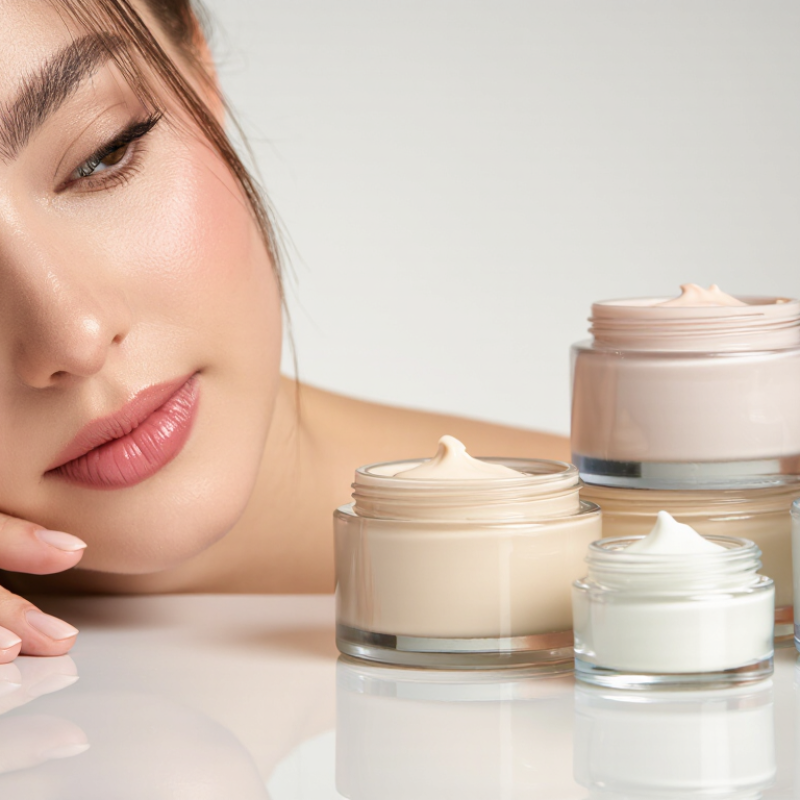
What Are the Top Types of Makeup Primer Formulations?

Water-Based Makeup Primers

Water-Based Makeup Primers

Water-based primers often feel light and spread easily, making them a practical choice for everyday makeup. Their formulas commonly combine water with humectants, film-forming polymers, and texture-enhancing ingredients. The exact blend matters more than the label: “water-based” does not automatically mean oil-free or suitable for every skin type. Some formulas can feel tacky before foundation; others dry down quickly.

Grand View Research’s 2024 Makeup Market Size report estimated the global makeup market at USD 40.8 billion in 2023, with projected annual growth of 6.1% through 2030. That broad market figure signals continuing demand for makeup, but it does not measure primer sales or prove one formula performs better. A useful test is to apply a thin layer over moisturized skin, wait about a minute, then check whether foundation rolls or separates. I still find that one small detail is easy to overlook: skincare underneath can change the result.

Tips: Check the ingredient list, not just the front label. Use a pea-sized amount and let it set. If dry patches look more visible, try less product or adjust your moisturizer. Patch-test new formulas, especially if your skin is reactive.

Silicone-Based Makeup Primers

Silicone-based makeup primers often contain ingredients such as dimethicone, which help create a smooth-feeling layer on the skin. They can soften the look of pores and fine lines without physically changing them. The finish may feel silky or slightly slippery. On dry areas, that slip can help foundation spread more evenly; on oily areas, too much product may feel heavy. Use a small, pea-sized amount and press it gently onto the skin. Less is often better. Give it a minute to settle before applying foundation. If the base pills or separates, try using less primer or allowing more drying time.

Silicone primers suit many skin types, but the formula and the rest of your routine matter. They are not a substitute for moisturizer, and they cannot guarantee longer wear. Ingredient lists differ, so check the label if you know a particular ingredient irritates your skin. Patch test first. Pay attention to how the primer feels around the nose and mouth, where makeup can gather. I still find this step easy to rush; waiting briefly can make application smoother. If the finish looks patchy, reassess the amount and layering rather than adding more product.

What Are the Top Types of Makeup Primer Formulations? - Silicone-Based Makeup Primers

Formulation type Typical formulation features Common finish Often suits Practical considerations
Volatile silicone-based Uses lightweight, fast-evaporating silicones, often combined with nonvolatile silicones for slip. Usually smooth, lightweight, and natural-looking. People who prefer a light feel and a quick-drying base. Allow it to set before applying foundation. Wear and feel vary with the full formula.
Silicone elastomer gel Contains crosslinked silicone elastomers, often dispersed in silicone fluids to create a soft, cushiony gel. Soft-focus and velvety; may reduce the appearance of uneven texture temporarily. People seeking a smoother-feeling surface before makeup. Use a thin layer. Applying too much or rubbing after application can cause pilling.
Silicone-and-water hybrid Combines water with silicones and emulsifiers to create a lotion or gel-cream texture. Can range from fresh and natural to softly dewy, depending on the formula. People who prefer a less powdery feel or a more fluid primer. Check the full ingredient list and test compatibility with skincare and foundation; ingredient order alone does not predict layering performance.
Silicone primer with film-forming agents Pairs silicones with film-forming ingredients intended to leave a flexible layer on the skin. Typically smooth; the final look depends on the amount and type of film former. People prioritizing makeup adherence or a more even base. Follow the product directions and let the layer set. A primer cannot guarantee a particular wear time.
Silicone primer with blurring powders Combines silicones with finely dispersed powders, such as silica or other texture-modifying particles. Often soft-matte or diffused, with a temporary optical blurring effect. People who like a less shiny appearance or a softly diffused finish. Powder-rich textures may emphasize dry patches if overapplied; start with a small amount.

Formulation names describe broad product types, not standardized categories. Results depend on the complete formula, the amount used, skin preparation, and the makeup layered over it.

Oil-Based Makeup Primers

Oil-based makeup primers rely on emollient oils to soften the skin’s surface and reduce the look of dry, flaky patches. Their richer texture can help foundation spread more evenly, especially across cheeks that feel tight after cleansing. A small amount often goes a long way. Too much can feel slick. Warm a pea-sized dab between clean fingertips, then press it onto dry areas rather than rubbing it over the whole face.

These primers may suit dry skin, but skin type alone does not determine whether a formula will work. Check the ingredient list and how the primer layers with your moisturizer, sunscreen, and foundation. Give each layer a little time to settle; if makeup slides or separates, use less primer or skip it in that area. Oil-rich formulas can feel heavy on some complexions, though that does not automatically mean they will clog pores. Patch-test a new product if your skin is reactive. And one honest limitation: a primer can smooth the canvas, but it cannot reliably prevent makeup from fading throughout the day.

Hybrid Makeup Primer Formulations

Hybrid makeup primers combine complexion prep with makeup-gripping or finish-controlling functions. A water-binding ingredient, such as glycerin, can help skin feel comfortable, while film-forming ingredients help foundation sit more evenly. Some formulas also include lightweight emollients for a softer feel or absorbent powders to reduce visible shine. The exact balance matters. Too much slip may let foundation move; a very matte texture can catch on dry patches. “Hybrid” is not a fixed technical category, so check the product’s stated purpose and ingredient list rather than relying on the label alone.

Choose the formula by observing your skin through the day, not just by its first touch. On a dry cheek, a flexible, hydrating primer may smooth the look of flaky areas. On an oily forehead, a lighter, shine-controlling blend may feel less heavy. Use a thin layer over moisturized skin, then wait briefly before applying foundation. Wait a little. If the base pills, try less primer or allow more time between layers; incompatible textures can contribute, but application amount matters too. A primer can soften the appearance of pores, not erase their texture. Even a carefully balanced formula may behave differently across the nose and cheeks.

Specialty Primers for Gripping, Blurring, and Color Correction

Specialty primers solve specific makeup problems, but they work best when matched to skin and foundation. Gripping formulas leave a slightly tacky film that can help base makeup last longer. Apply a pea-sized amount to moisturized skin, then wait about a minute before adding foundation. Too much can cause pilling. Blurring primers use silicones or fine powders to soften the look of pores and uneven texture. Press a thin layer onto targeted areas instead of coating the whole face. Soft focus, not a filter. Dry patches may look more noticeable if primer settles into them, so hydration still matters.

Color-correcting primers use subtle tints to balance the appearance of uneven tone. A muted green tint may visually soften redness, while peach or orange can help counter blue or purple shadows, depending on skin depth. Lavender may brighten a sallow-looking complexion, but the effect can be surprisingly strong. Start with a small amount and blend carefully along the cheeks, around the nose, or under the eyes. Check the result in daylight; indoor lighting can hide an obvious cast. These shades are easy to overapply, and primer cannot replace concealer when more coverage is needed. A little trial and error is normal.

FAQS

What does a silicone-based primer do?

It creates a smooth-feeling layer and softens the look of pores and fine lines. It does not change skin texture.

How much primer should I apply?

Start with a pea-sized amount. Press it gently onto your skin, then wait about a minute. Less often works.

Can oil-based primers help dry patches?

Their richer texture may soften dry, flaky areas and help foundation spread more evenly. Press a small amount onto dry cheeks.

Will an oil-based primer feel heavy?

It can, especially if you apply too much. Skin type alone cannot predict how a formula will feel.

What does a hybrid primer do?

Hybrid formulas may combine hydration, grip, or shine control. The exact ingredients and balance matter more than the label.

How can I stop my makeup from pilling?

Try using less primer and allowing each layer to settle. I still rush this step sometimes.

Can primer prevent makeup from fading?

Not reliably. A primer may help foundation sit more evenly, but it cannot guarantee longer wear.

Should I patch-test a new primer?

Yes, especially if your skin is reactive or you know certain ingredients irritate it. Check the ingredient list, too.

Conclusion

Choosing the right Makeup Primer Formulation starts with understanding how each base interacts with your skin and foundation. Water-based primers feel lightweight and often suit those who prefer a fresh, comfortable finish. Silicone-based formulas create a smooth-feeling surface and can help soften the appearance of texture, while oil-based options offer a richer, more nourishing feel for skin that tends to feel dry. Hybrid primers combine features of different bases, balancing slip, comfort, and wear to suit a range of routines.

Beyond their base ingredients, primers can be selected for a particular effect. Gripping formulas are designed to help makeup stay in place, blurring primers aim to create a more even-looking finish, and color-correcting primers use subtle tones to balance the look of unevenness or redness. Consider your skin’s needs, the foundation you plan to wear, and the finish you prefer when deciding which type to try.

Amelia

Amelia

Amelia is a dedicated marketing professional with a deep understanding of the company’s products, customers, and industry landscape. With a strong focus on research, communication, and practical problem-solving, she creates clear and informative content that helps readers make confident decisions.......